What Is the Glow Peptide?
A plain-English guide to the "glow peptide", the copper peptide GHK-Cu, how it supports collagen and skin repair, the serum vs injectable forms, and the facts to know first.
What is the glow peptide (GHK-Cu)?
The "glow peptide" is a nickname the skincare world gave to GHK-Cu: short for a copper peptide made of three amino acids (glycine, histidine, and lysine) bound to a single copper ion. It occurs naturally in the body, including in blood plasma, but the levels we make tend to decline as we age.
Because GHK-Cu is linked to collagen, repair, and a fresher-looking complexion, brands and enthusiasts started calling it the "glow peptide." It's the same ingredient you'll see listed on skincare labels as copper tripeptide-1.
What it does for skin
GHK-Cu is one of the more researched cosmetic peptides. People use it hoping for benefits such as:
- Stimulating collagen production to support firmer, plumper-looking skin.
- Reducing the look of fine lines and wrinkles over time.
- Supporting skin healing and tissue repair.
- Acting as an antioxidant that helps defend against everyday environmental stress.
- Improving overall texture and radiance: the "glow" the nickname refers to.
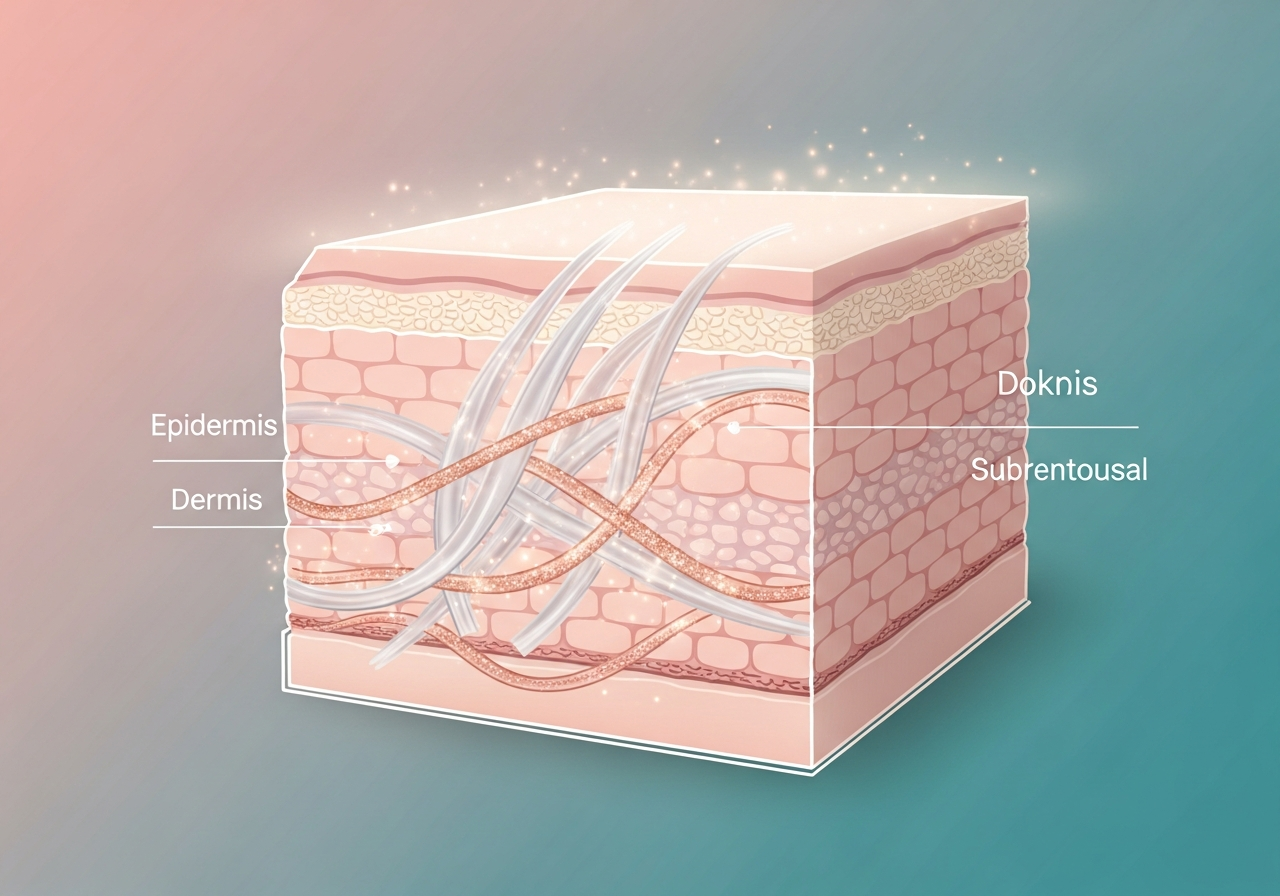
How it works
Think of GHK-Cu as a small messenger. Once it reaches skin cells, it helps signal them to ramp up the natural processes that keep skin looking young, making collagen and elastin, supporting repair, and calming inflammation. The copper ion it carries also plays a role in several skin-supporting enzymes.
Because these are gradual, natural processes, GHK-Cu doesn't work overnight. Most of its benefits build up with consistent use over weeks to months.
Serum vs. injectable stack
You'll mainly come across the glow peptide in two very different forms:
| Form | How it's used | What to know |
|---|---|---|
| Topical serum | Applied to clean skin, usually once or twice daily | The most common, accessible, and lowest-risk option. Sold as a cosmetic skincare product. |
| Injectable wellness stack | Part of a specialized peptide protocol aimed at tissue regeneration | Not FDA-approved for cosmetic or anti-aging use. Should only be considered with a licensed provider; unregulated products carry real risk. |
For most people interested in glowing skin, a topical serum is the practical starting point. Injectable peptide stacks are a more advanced, higher-risk area that belongs in the hands of a qualified medical professional.
How to use a glow peptide serum
If you try a topical GHK-Cu serum, a few simple habits help:
- Patch-test first on a small area to check for irritation.
- Apply to clean, dry skin, then follow with a moisturizer.
- Use it consistently: collagen renewal is slow, so give it several weeks to a few months.
- Always wear sunscreen during the day to protect the new collagen you're building.
- Introduce it gradually if you also use strong actives like retinoids or vitamin C.

Safety and what to watch for
Topical copper peptide serums are widely used and generally well tolerated, but it's still smart to be careful:
- Some people experience redness, irritation, or breakouts, especially when starting.
- Pairing GHK-Cu with strong actives at the same time can sometimes cause irritation, space them out if needed.
- Injectable peptides are a different story. They are not FDA-approved for skin or anti-aging use, and products sold as "research" peptides are not regulated for quality, purity, or dosing.
- If you're pregnant, nursing, or have a skin condition, check with a professional first.
Important safety note
This article is for general education and is not medical advice. Topical glow peptide serums are cosmetic products; injectable peptide stacks are not FDA-approved for cosmetic use. Talk to a dermatologist or licensed healthcare provider before starting injectables, and only obtain any medication through legitimate, regulated sources. Rx.com does not sell or prescribe GHK-Cu.
Prescription skincare options
The glow peptide is just one tool. If your main goals are smoother texture, fewer fine lines, or a brighter complexion, there are well-studied prescription options a provider might discuss with you. You can compare prices on Rx.com for medications like:
- Tretinoin and Retin-A, retinoids studied for fine lines and skin renewal.
- Hydroquinone, used for dark spots and uneven tone.
- Azelaic acid and Finacea, used for tone, texture, and redness.
A licensed provider can help you decide which approach, topical peptides, prescription skincare, or a combination, fits your skin and goals.
Frequently asked questions
Topical Serum vs. Injectable GHK-Cu, Which Fits Your Situation?
Most people should start with topical. Injectables are only appropriate under medical supervision.
🧴 Topical Serum (OTC)
- No prescription needed
- Targets fine lines, texture, dullness
- Apply once or twice daily to cleansed skin
- Results visible in 4–12 weeks
- Low cost, low risk, well-tolerated
Best for: Most people wanting anti-aging, glow, and collagen support without medical involvement.
💉 Injectable GHK-Cu
- Requires compounding pharmacy + provider Rx
- Subcutaneous self-injection
- Used in "skin and recovery" stacks
- Very limited clinical evidence
- Higher cost, higher risk, unregulated
Best for: Only under medical supervision for those who have already maximized topical options.
What is the glow peptide?
The "glow peptide" is a popular nickname for GHK-Cu, a copper peptide made of three amino acids bound to a copper ion. It's best known in skincare for supporting collagen, reducing the look of fine lines, and helping skin repair, giving skin a healthier, more radiant glow.
What does GHK-Cu do for skin?
GHK-Cu is studied for signaling skin cells to produce more collagen and elastin, supporting wound healing and tissue repair, acting as an antioxidant, and improving firmness and texture. Many people use it hoping to soften fine lines and improve radiance.
How do you use the glow peptide: serum or injection?
The most common and accessible form is a topical serum applied to clean skin. GHK-Cu is also offered in specialized injectable "wellness stacks" for tissue regeneration, but injectable peptides are not FDA-approved for cosmetic use and should only be considered under a licensed provider's care.
Is the glow peptide safe?
Topical copper peptide serums are widely used and generally well tolerated, though some people may experience irritation. Injectable peptides carry more risk and are not FDA-approved for skin or anti-aging use. Always patch-test new products and talk to a dermatologist before using injectables.
How long does the glow peptide take to work?
With topical serums, visible changes in texture and radiance usually take several weeks to a few months of consistent use, since collagen renewal is gradual. Results vary from person to person, and no product can guarantee a specific outcome.
Last updated: June 10, 2026


