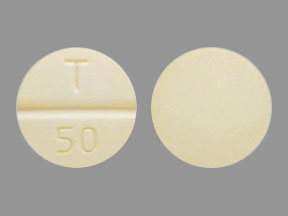
Phenytoin
Phenytoin 50MG
¿Qué es Phenytoin?
La fenitoína es un medicamento con receta utilizado para tratar la epilepsia. El precio promedio de la fenitoína es de aproximadamente $21 por un suministro de 30 cápsulas de 50 mg. Utilice nuestra oferta de ahorro de Rx.com para obtener grandes descuentos en fenitoína en farmacias participantes cerca de usted.Side Effects
- Allergic reaction: Itching or hives, swelling in your face or hands, swelling or tingling in your mouth or throat, chest tightness, trouble breathing
- Blistering, peeling, or red skin rash
- Bone fractures, pain, tenderness, or aching, pain in the back, ribs, arms, or legs, decrease in height
Warnings
- Keep all medicine out of the reach of children. Never share your medicine with anyone.
- This medicine may make you bleed, bruise, or get infections more easily. Take precautions to prevent illness and injury. Wash your hands often.
- It is not safe to take this medicine during pregnancy. It could harm an unborn baby. Tell your doctor right away if you become pregnant.
- Tell your doctor if you are breastfeeding, or if you have kidney disease, liver disease, heart disease, diabetes, porphyria, or a history of depression or mental problems.
- This medicine may cause the following problems:Changes in mood or behavior, including thoughts of suicideSerious skin reactions, including Stevens-Johnson syndrome, toxic epidermal necrolysis, and acute generalized exanthematous pustulosis (AGEP)Drug reaction with eosinophilia and systemic symptoms (DRESS), which may damage organs, including the liver, kidney, or heartHeart problems (including slow heartbeat)Liver problemsDecreased bone densityHigh blood sugar levels
Prescription savings · ·
¿Qué es Phenytoin ?
La fenitoína es un medicamento con receta utilizado para tratar la epilepsia. El precio promedio de la fenitoína es de aproximadamente $21 por un suministro de 30 cápsulas de 50 mg. Utilice nuestra oferta de ahorro de Rx.com para obtener grandes descuentos en fenitoína en farmacias participantes cerca de usted.Phenytoin Cupones y Precios - Rx.com
Phenytoin 50MG

Weight-loss medication, prescribed online
Licensed U.S. providers · No insurance needed · Shipped to your door
Phenytoin prices by dosage
Lowest cash price with a free Rx.com coupon vs. the average retail price.
| Dosis | Cantidad | Retail price | Rx.com price |
|---|---|---|---|
| 50mg · Tablet Chewable | 90 | $28.75 | $23.56 |
Cash prices near ZIP 77433; updated regularly. Actual pharmacy price may vary.
¿Busca un cupón para la fenitoína? La fenitoína es la forma genérica de Dilantin, un medicamento anticonvulsivo de larga trayectoria y, dado que está disponible como genérico de bajo costo, la mayoría de las personas puede surtirla de forma económica con un cupón de descuento gratuito en lugar de pagar el precio de venta completo. Los precios al contado aún varían mucho de una farmacia a otra, así que conviene comparar antes de surtir. Ingrese su código postal arriba para ver el precio de hoy en farmacias cercanas, donde Rx.com compara más de 60,000 farmacias para encontrar el precio más bajo de la fenitoína sin necesidad de seguro.
¿Qué es la fenitoína y cómo funciona?
La fenitoína es un medicamento anticonvulsivo (antiepiléptico) de la clase de las hidantoínas. Actúa como un bloqueador de los canales de sodio, calmando la actividad eléctrica anormal en el cerebro que provoca las convulsiones. Es el equivalente genérico de la marca Dilantin, y también se vende bajo las marcas Phenytek y Dilantin Infatabs.
La fenitoína está aprobada por la FDA para controlar las convulsiones tónico-clónicas (gran mal) y psicomotoras (del lóbulo temporal), y para prevenir y tratar las convulsiones que ocurren durante o después de una neurocirugía. Viene en varias formas orales, incluidas cápsulas de liberación prolongada, tabletas masticables y una suspensión oral, así como una forma inyectable que se usa en entornos hospitalarios. Su médico elegirá la forma y la dosis que se adapten a su afección.
Costo y ahorro de la fenitoína sin seguro
Dado que la fenitoína está disponible como genérico aprobado por la FDA, es uno de los medicamentos anticonvulsivos más económicos, y no necesita seguro para obtener un buen precio con un cupón de descuento gratuito de Rx.com. Dicho esto, el precio al contado puede variar mucho entre farmacias de una misma ciudad, y es precisamente por eso que comparar vale la pena. Ingrese su código postal arriba para ver el precio de hoy cerca de usted y muestre el cupón en el mostrador de la farmacia.
Si le recetan la marca Dilantin en lugar del genérico, el fabricante (Pfizer) ofrece un programa de ahorro en el sitio web oficial de Dilantin; los requisitos y las condiciones varían y por lo general excluyen los seguros gubernamentales, así que revise los detalles allí. Para la mayoría de las personas, el genérico más un cupón de Rx.com es la manera más sencilla de mantener los costos bajos.
Alternativas a la fenitoína y medicamentos anticonvulsivos relacionados
La fenitoína es uno de varios medicamentos antiepilépticos. Si no es la opción adecuada para usted, o si desea conocer las opciones, su médico puede analizar alternativas. Solo un profesional clínico puede decidir cuál es apropiada para su tipo de convulsión y su historial de salud.
- Dilantin — la versión de marca de la fenitoína
- Carbamazepine — otro anticonvulsivo bloqueador de los canales de sodio
- Levetiracetam — un medicamento anticonvulsivo de amplio uso con menos interacciones farmacológicas
- Lamotrigine — usado para varios tipos de convulsiones
- Valproic acid — un antiepiléptico de amplio espectro
Puede comparar el precio de cualquiera de estos en Rx.com. Nunca cambie ni suspenda un medicamento anticonvulsivo por su cuenta; los cambios siempre deben hacerse con su médico.
Seguridad y advertencias importantes
La fenitoína tiene un índice terapéutico estrecho, lo que significa que la diferencia entre una dosis útil y una tóxica es pequeña. Los niveles en sangre suelen mantenerse en un rango objetivo de aproximadamente 10 a 20 mcg/mL, y los signos de toxicidad pueden incluir movimientos oculares involuntarios (nistagmo), marcha inestable (ataxia), habla arrastrada y confusión. Por esta razón, los análisis de sangre periódicos y los ajustes de dosis forman parte de la atención habitual. Esta es información general, no consejo médico, así que siga las indicaciones de su profesional de salud.
La etiqueta de la FDA incluye advertencias graves. Cuando se administra por infusión intravenosa rápida, la fenitoína puede causar descensos peligrosos de la presión arterial, ritmo cardíaco lento y paro cardíaco, por lo que la velocidad de infusión está estrictamente limitada en entornos hospitalarios. Otros riesgos importantes incluyen reacciones cutáneas graves como el síndrome de Stevens-Johnson y el DRESS (el riesgo es mayor en personas de ascendencia asiática que portan la variante genética HLA-B*1502), daño hepático, trastornos de las células sanguíneas y, como ocurre con todos los antiepilépticos, un pequeño aumento del riesgo de pensamientos o conductas suicidas. La fenitoína puede dañar al bebé en desarrollo (síndrome de la hidantoína fetal), y el uso prolongado puede causar sobrecrecimiento de las encías y aumento del crecimiento del vello. También interactúa con muchos medicamentos porque es un potente inductor de las enzimas hepáticas. No suspenda la fenitoína de forma repentina, ya que esto puede desencadenar convulsiones. Hable con su médico o farmacéutico sobre su lista completa de medicamentos.
La información sobre Phenytoin fue redactada y revisada con base en fuentes médicas autorizadas de EE. UU. (MedlinePlus, de la Biblioteca Nacional de Medicina de EE. UU.; DailyMed; y la información de prescripción de la FDA) y verificada para asegurar su precisión. Se ofrece con fines educativos y no sustituye el consejo médico profesional.
Consulte la etiqueta oficial: Phenytoin en DailyMed (FDA)
Revisado con base en el etiquetado de la FDA · Última revisión: julio de 2026
Medicamentos Relacionados
Browse more medications: starting with P · full A-Z directory · by condition · common drugs
Medical disclaimer: This information is provided for general educational purposes only and is not medical advice. It is not a substitute for professional diagnosis or treatment. Always consult a licensed physician, pharmacist, or other qualified healthcare provider before starting, stopping, or changing any medication or treatment. Never disregard professional medical advice or delay seeking it because of something you read here. If you think you may have a medical emergency, call your doctor or 911 immediately.


