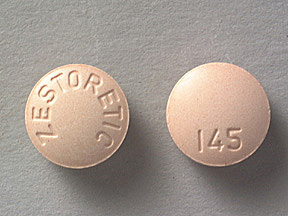
Zestoretic
Zestoretic 20-25MG
What is Zestoretic?
If you have high blood pressure, your physician may prescribe lisinopril/hydrochlorothiazide. This medication can be used alone or with other medication to control blood pressure. Some physicians also use lisinopril/hydrochlorothiazide in the treatment of congestive heart failure.Side Effects
- Dizziness
- Headache
- Fatigue
Warnings
- May cause significant drop in blood pressure.
- Risk of kidney impairment.
- Potential for high potassium levels (hyperkalemia).
- May cause allergic reactions, including swelling of face, lips, tongue, or throat.
- Use caution in patients with liver disease.
Prescription savings · · · ·
What is Zestoretic ?
If you have high blood pressure, your physician may prescribe lisinopril/hydrochlorothiazide. This medication can be used alone or with other medication to control blood pressure. Some physicians also use lisinopril/hydrochlorothiazide in the treatment of congestive heart failure.- Dizziness
- Headache
- Fatigue
- Cough
- Nausea
- Vomiting
- Diarrhea
- Muscle cramps
- Rash
- May cause significant drop in blood pressure.
- Risk of kidney impairment.
- Potential for high potassium levels (hyperkalemia).
- May cause allergic reactions, including swelling of face, lips, tongue, or throat.
- Use caution in patients with liver disease.
- Not recommended during pregnancy.
- May increase the risk of electrolyte imbalances.
- Can cause dizziness or lightheadedness, avoid driving or operating machinery until you know how it affects you.
Zestoretic Coupons & Prices
Zestoretic 20-25MG
Weight-loss medication, prescribed online
Licensed U.S. providers · No insurance needed · Shipped to your door
Zestoretic prices by dosage
Lowest cash price with a free Rx.com coupon vs. the average retail price.
| Dosage | Quantity | Retail price | Rx.com price |
|---|---|---|---|
| 10-12.5mg · Tablet | 90 | $1,435.58 | $1,175.00 |
| 20-25mg · Tablet | 90 | $1,321.69 | $1,175.00 |
| 20-12.5mg · Tablet | 90 | $1,321.69 | $1,175.00 |
Cash prices near ZIP 77433; updated regularly. Actual pharmacy price may vary.
Related Drugs
Browse more medications: starting with Z · full A-Z directory · by condition · common drugs
Medical disclaimer: This information is provided for general educational purposes only and is not medical advice. It is not a substitute for professional diagnosis or treatment. Always consult a licensed physician, pharmacist, or other qualified healthcare provider before starting, stopping, or changing any medication or treatment. Never disregard professional medical advice or delay seeking it because of something you read here. If you think you may have a medical emergency, call your doctor or 911 immediately.


