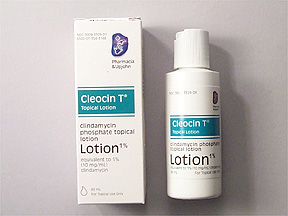
Cleocin-T
Cleocin-T 60ML of 1%
What is Cleocin-T?
Clindamycin Phosphate is a lincosamide antibiotic used to treat various bacterial infections by inhibiting bacterial protein synthesis, thereby stopping bacterial growth. It is commonly administered in topical, oral, or intravenous forms and is effective against anaerobic bacteria and some aerobic Gram-positive bacteria. Primarily used for infections in the skin, respiratory tract, and soft tissues, it is often prescribed when patients are allergic to penicillin.Side Effects
- Diarrhea
- Nausea
- Vomiting
Warnings
- Clostridium difficile-associated diarrhea
- Severe skin reactions
- Allergic reactions
- Use in patients with a history of gastrointestinal disease
- Hepatic impairment
Prescription savings · · · ·
What is Cleocin-T ?
Clindamycin Phosphate is a lincosamide antibiotic used to treat various bacterial infections by inhibiting bacterial protein synthesis, thereby stopping bacterial growth. It is commonly administered in topical, oral, or intravenous forms and is effective against anaerobic bacteria and some aerobic Gram-positive bacteria. Primarily used for infections in the skin, respiratory tract, and soft tissues, it is often prescribed when patients are allergic to penicillin.- Diarrhea
- Nausea
- Vomiting
- Abdominal pain
- Rash
- Itching
- Clostridium difficile-associated diarrhea
- Severe skin reactions
- Allergic reactions
- Use in patients with a history of gastrointestinal disease
- Hepatic impairment
- Prolonged use may result in fungal or bacterial superinfection
Cleocin-T Coupons & Prices
Cleocin-T 60ML of 1%
Weight-loss medication, prescribed online
Licensed U.S. providers · No insurance needed · Shipped to your door
Cleocin-T prices by dosage
Lowest cash price with a free Rx.com coupon vs. the average retail price.
| Dosage | Quantity | Retail price | Rx.com price |
|---|---|---|---|
| 60ml of 1% · Bottle | 60 | $160.07 | $119.54 |
Cash prices near ZIP 77433; updated regularly. Actual pharmacy price may vary.
Related Drugs
Browse more medications: starting with C · full A-Z directory · by condition · common drugs
Medical disclaimer: This information is provided for general educational purposes only and is not medical advice. It is not a substitute for professional diagnosis or treatment. Always consult a licensed physician, pharmacist, or other qualified healthcare provider before starting, stopping, or changing any medication or treatment. Never disregard professional medical advice or delay seeking it because of something you read here. If you think you may have a medical emergency, call your doctor or 911 immediately.


