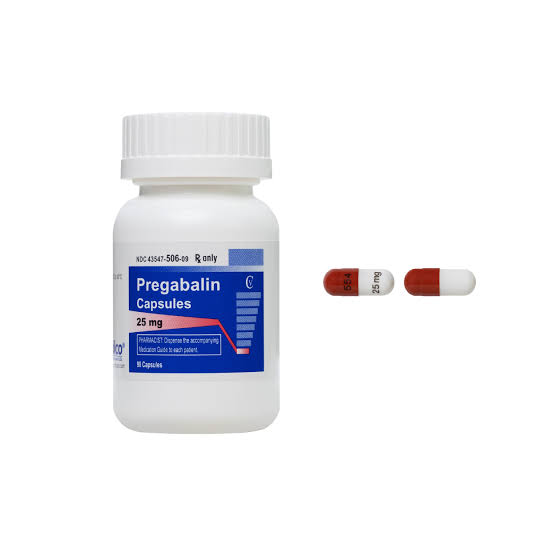
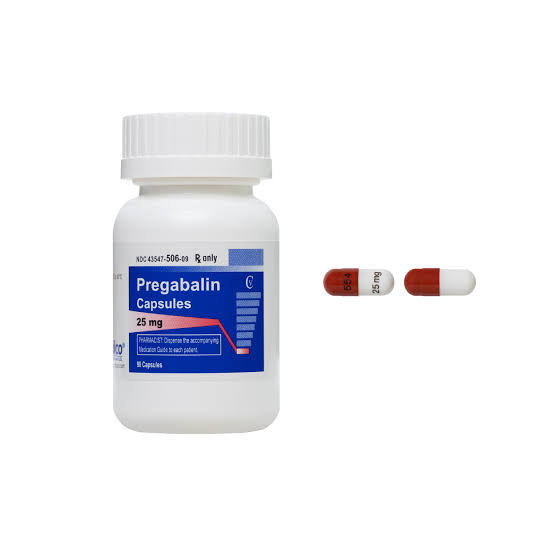
Pregabalin
Pregabalin 75MG
What is Pregabalin?
Pregabalin (brand name: Lyrica) is a prescription medication used to treat neuropathic (nerve) pain, fibromyalgia, epilepsy (as adjunctive therapy for partial-onset seizures), and generalized anxiety disorder (GAD). It works by calming the overactive nerve signals that cause chronic pain and seizures. Pregabalin is often prescribed for nerve pain from diabetic neuropathy, post-herpetic neuralgia (shingles pain), and spinal cord injury pain. For fibromyalgia, it is one of only three FDA-approved medications. Doses typically range from 150 mg to 600 mg per day, divided into two or three doses. A licensed provider can prescribe pregabalin through Rx.com for nerve pain, fibromyalgia, or epilepsy management.
Side Effects
- Swelling in your throat, head, or neck
- Severe dizziness or drowsiness
- Uneven heartbeat
Warnings
- Tell your doctor if you are pregnant or breastfeeding, or if you have kidney disease, heart failure, heart rhythm problems, lung or breathing problems, a bleeding disorder, diabetes, sores or skin problems, or a low blood platelet count. Tell your doctor if you have a history of angioedema (severe swelling), alcohol or drug abuse, depression, or other mood problems.
- This medicine may cause the following problems: Changes in mood or behavior, including suicidal thoughts or behaviorRespiratory depression (serious breathing problem that can be life-threatening), when used with narcotic pain medicinesPeripheral edema (swelling of your hands, ankles, feet, or lower legs)Increased risk for cancer and bleedingSerious muscle problemsHeart rhythm changes
- This medicine may make you dizzy or drowsy. It may also cause blurry or double vision. Do not drive or do anything else that could be dangerous until you know how this medicine affects you.
- Do not stop using this medicine suddenly. Your doctor will need to slowly decrease your dose before you stop it completely.
- Your doctor will do lab tests at regular visits to check on the effects of this medicine. Keep all appointments.
Prescription savings · · · ·
What is Pregabalin ?
Pregabalin (brand name: Lyrica) is a prescription medication used to treat neuropathic (nerve) pain, fibromyalgia, epilepsy (as adjunctive therapy for partial-onset seizures), and generalized anxiety disorder (GAD). It works by calming the overactive nerve signals that cause chronic pain and seizures. Pregabalin is often prescribed for nerve pain from diabetic neuropathy, post-herpetic neuralgia (shingles pain), and spinal cord injury pain. For fibromyalgia, it is one of only three FDA-approved medications. Doses typically range from 150 mg to 600 mg per day, divided into two or three doses. A licensed provider can prescribe pregabalin through Rx.com for nerve pain, fibromyalgia, or epilepsy management.
- Swelling in your throat, head, or neck
- Severe dizziness or drowsiness
- Uneven heartbeat
- Allergic reaction: Itching or hives, swelling in your face or hands, swelling or tingling in your mouth or throat, chest tightness, trouble breathing
- Blistering, peeling, red skin rash
- Blue lips, fingernails, or skin, trouble breathing, chest pain
- Unusual bleeding, bruising, or weakness
- Fever, chills, cough, sore throat, body aches
- Muscle pain, tenderness, or weakness, general feeling of illness
- Sudden mood changes, unusual moods or behavior, including extreme happiness or depression, thoughts or attempts of killing oneself
- Rapid weight gain, swelling in your hands, ankles, or feet
- Blurry or double vision
- Tell your doctor if you are pregnant or breastfeeding, or if you have kidney disease, heart failure, heart rhythm problems, lung or breathing problems, a bleeding disorder, diabetes, sores or skin problems, or a low blood platelet count. Tell your doctor if you have a history of angioedema (severe swelling), alcohol or drug abuse, depression, or other mood problems.
- This medicine may cause the following problems: Changes in mood or behavior, including suicidal thoughts or behaviorRespiratory depression (serious breathing problem that can be life-threatening), when used with narcotic pain medicinesPeripheral edema (swelling of your hands, ankles, feet, or lower legs)Increased risk for cancer and bleedingSerious muscle problemsHeart rhythm changes
- This medicine may make you dizzy or drowsy. It may also cause blurry or double vision. Do not drive or do anything else that could be dangerous until you know how this medicine affects you.
- Do not stop using this medicine suddenly. Your doctor will need to slowly decrease your dose before you stop it completely.
- Your doctor will do lab tests at regular visits to check on the effects of this medicine. Keep all appointments.
- Keep all medicine out of the reach of children. Never share your medicine with anyone.
- Severe dizziness or drowsiness
- Sudden mood changes, unusual thoughts or behavior such as extreme happiness or depression
- Suicidal thoughts
- Swelling in your throat, head, or neck
- Uneven heartbeat
- Unusual bleeding, bruising, or weakness
Pregabalin Coupons & Prices
Pregabalin 75MG

Weight-loss medication, prescribed online
Licensed U.S. providers · No insurance needed · Shipped to your door
Pregabalin prices by dosage
Lowest cash price with a free Rx.com coupon vs. the average retail price.
| Dosage | Quantity | Retail price | Rx.com price |
|---|---|---|---|
| 25mg · Capsule | 60 | $379.99 | $13.97 |
| 50mg · Capsule | 60 | $375.69 | $14.19 |
| 75mg · Capsule | 60 | $379.99 | $14.45 |
| 100mg · Capsule | 60 | $249.99 | $15.12 |
| 150mg · Capsule | 60 | $375.69 | $18.19 |
| 200mg · Capsule | 60 | $379.99 | $15.18 |
| 225mg · Capsule | 60 | $410.99 | $15.13 |
| 300mg · Capsule | 60 | $161.79 | $15.93 |
Cash prices near ZIP 77433; updated regularly. Actual pharmacy price may vary.
Looking for a pregabalin coupon? Pregabalin is the low-cost generic version of Lyrica, and because it is widely available as a generic, cash prices are often much lower than the brand. Even so, what you pay can vary a lot from one pharmacy to the next, so comparing matters. Rx.com checks pregabalin prices across more than 60,000 pharmacies so you can find a lower price near you. Enter your ZIP above to see today's price and a coupon you can show at the pharmacy counter.
What is pregabalin and how does it work?
Pregabalin is a prescription medicine in the gabapentinoid class (an alpha-2-delta calcium channel ligand). It works on overactive nerve signaling, which is why it is used for certain types of nerve pain and seizures. It is FDA-approved for neuropathic pain from diabetic peripheral neuropathy, pain that lingers after shingles (postherpetic neuralgia), nerve pain from spinal cord injury, fibromyalgia, and as add-on therapy for partial-onset (focal) seizures in patients 1 month of age and older. An extended-release form, Lyrica CR, is approved for diabetic nerve pain and postherpetic neuralgia.
Pregabalin is the generic equivalent of the brand-name drug Lyrica. The two contain the same active ingredient and are used the same way. Your provider decides which form and dose is right for you.
Pregabalin cost and coupons without insurance
Because pregabalin is available as a generic, it is generally one of the more affordable options in its class, especially compared with brand-name Lyrica. Still, cash prices for the exact same prescription can differ widely between pharmacies in the same town. That is why it pays to compare before you fill. Rx.com compares pregabalin prices across more than 60,000 pharmacies and gives you a free coupon to use at the counter, with or without insurance.
To see current pricing, enter your ZIP above and we will show today's price near you. If you prefer the brand, the maker of Lyrica offers a manufacturer savings card at lyrica.com/savings-card; eligibility and terms vary, so check the official page for details.
Pregabalin vs. gabapentin and other alternatives
Pregabalin and gabapentin (brand name Neurontin) are both gabapentinoids and are sometimes used for similar kinds of nerve pain, but they are not the same drug and are not interchangeable. They differ in how the body absorbs them, their dosing, and how they are scheduled as controlled substances. Some nerve-pain and fibromyalgia patients are instead prescribed duloxetine (brand name Cymbalta), which works in a different way.
Only your prescriber can decide which medicine fits your condition. If you have a prescription for any of these, you can compare prices for each on Rx.com to see which gives you the best cash price in your area.
Pregabalin safety and side effects
Pregabalin is a Schedule V controlled substance, meaning it has some potential for misuse or dependence, particularly in people with a history of substance use disorder or those also taking opioids. Combining pregabalin with opioids or other CNS depressants can cause serious, even fatal, breathing problems (respiratory depression). Do not stop pregabalin suddenly; it should be tapered over at least a week under your provider's guidance to avoid withdrawal symptoms such as trouble sleeping, nausea, headache, diarrhea, or seizures.
Common side effects can include dizziness, drowsiness, swelling in the hands or feet, weight gain, and blurred vision, and it can impair your ability to drive or operate machinery. Like other antiseizure medicines, it may increase the risk of suicidal thoughts, and rare allergic (angioedema) reactions can occur. People with reduced kidney function often need a lower dose. This information is educational and is not medical advice, so talk with your doctor or pharmacist about your full health history and any other medicines you take.
This Pregabalin information was written and reviewed against authoritative U.S. medical sources — MedlinePlus (U.S. National Library of Medicine), DailyMed, and FDA prescribing information — and checked for accuracy. It is provided for education and is not a substitute for professional medical advice.
Verify the official label: Pregabalin on DailyMed (FDA)
Reviewed against FDA labeling · Last reviewed July 2026



Related Drugs
Browse more medications: starting with P · full A-Z directory · by condition · common drugs
Medical disclaimer: This information is provided for general educational purposes only and is not medical advice. It is not a substitute for professional diagnosis or treatment. Always consult a licensed physician, pharmacist, or other qualified healthcare provider before starting, stopping, or changing any medication or treatment. Never disregard professional medical advice or delay seeking it because of something you read here. If you think you may have a medical emergency, call your doctor or 911 immediately.


