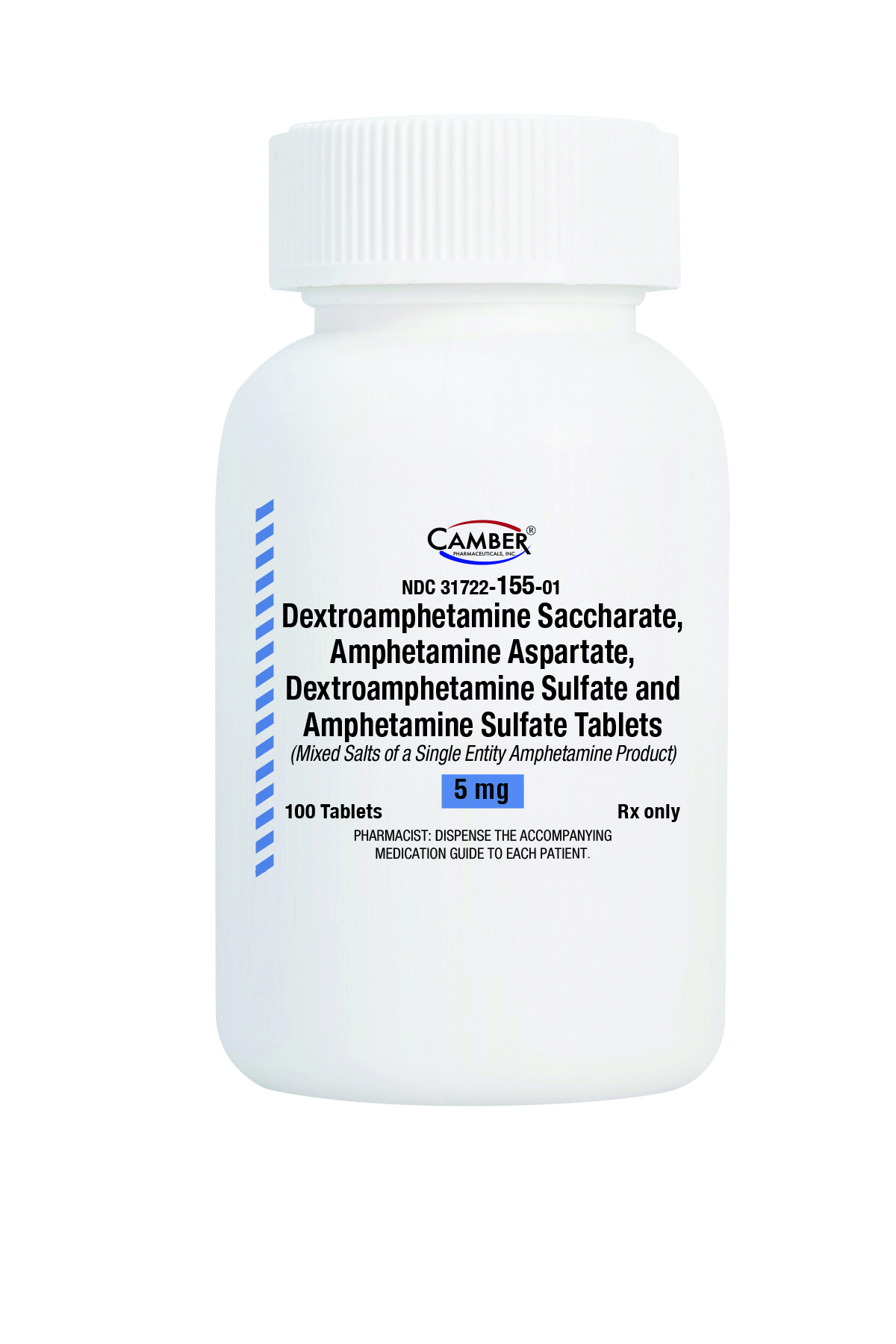
Amphetamine-Dextroamphetamine
Amphetamine-Dextroamphetamine 20MG
¿Qué es Amphetamine-Dextroamphetamine?
Si sufres de trastorno por déficit de atención con hiperactividad (TDAH), tu médico puede recetarte anfetamina/dextroanfetamina. Este medicamento también se utiliza para tratar la narcolepsia, un trastorno del sueño. Se debe tener cuidado ya que la anfetamina/dextroanfetamina puede crear hábito. La anfetamina/dextroanfetamina solo debe tomarse bajo la guía de un médico experimentado.Side Effects
- Numbness or weakness in your arm or leg, or on one side of your body, pain in your lower leg
- Sudden or severe headache, problems with vision, speech, or walking
- Seizures
Warnings
- Tell your doctor if you are pregnant or breastfeeding, or if you have heart or blood vessel disease (including arteriosclerosis), kidney disease, heart rhythm problems, high blood pressure, or a history of heart attack, stroke, seizures, or Tourette syndrome. Tell your doctor if you or anyone in your family has a history of depression, mental health problems, or drug or alcohol addiction.
- This medicine may cause the following problems: Serious heart or blood vessel problems, including heart attack and strokeHigh blood pressureUnusual changes in behavior or thoughtsPeripheral vasculopathy (blood circulation problem), including Raynaud€™s phenomenonSlow growth in childrenIncreased risk for seizuresSerotonin syndrome (when used with certain medicines)
- This medicine may make you dizzy or cause blurred vision. Do not drive or do anything else that could be dangerous until you know how this medicine affects you.
- This medicine can be habit-forming. Do not use more than your prescribed dose. Call your doctor if you think your medicine is not working.
- Tell any doctor or dentist who treats you that you are using this medicine. This medicine may affect certain medical test results.
Prescription savings · ·
¿Qué es Amphetamine-Dextroamphetamine ?
Si sufres de trastorno por déficit de atención con hiperactividad (TDAH), tu médico puede recetarte anfetamina/dextroanfetamina. Este medicamento también se utiliza para tratar la narcolepsia, un trastorno del sueño. Se debe tener cuidado ya que la anfetamina/dextroanfetamina puede crear hábito. La anfetamina/dextroanfetamina solo debe tomarse bajo la guía de un médico experimentado.Amphetamine-Dextroamphetamine Cupones y Precios - Rx.com
Amphetamine-Dextroamphetamine 20MG
4 ED medications in one dose
Apomorphine, sildenafil, tadalafil & vardenafil · One sublingual dose · Free express shipping
Amphetamine-Dextroamphetamine prices by dosage
Lowest cash price with a free Rx.com coupon vs. the average retail price.
| Dosis | Cantidad | Retail price | Rx.com price |
|---|---|---|---|
| 5mg · Tablet | 60 | $122.99 | $22.73 |
| 7.5mg · Tablet | 60 | $74.95 | $31.55 |
| 10mg · Tablet | 60 | $109.99 | $26.28 |
| 12.5mg · Tablet | 60 | $93.99 | $34.88 |
| 15mg · Tablet | 60 | $109.99 | $26.18 |
| 20mg · Tablet | 60 | $88.99 | $28.37 |
| 30mg · Tablet | 60 | $80.69 | $30.00 |
Cash prices near ZIP 77433; updated regularly. Actual pharmacy price may vary.
¿Buscas un cupón para anfetamina/dextroanfetamina? La anfetamina/dextroanfetamina (sales mixtas de anfetamina) es la forma genérica aprobada por la FDA de Adderall, un estimulante del sistema nervioso central que se usa para tratar el TDAH y la narcolepsia. Como es un genérico ampliamente disponible, el precio en efectivo suele ser mucho más bajo que el de la marca, pero lo que pagas puede variar bastante de una farmacia a otra. Ingresa tu código postal arriba para ver el precio de hoy y un cupón de descuento gratis en las farmacias cercanas, comparado entre más de 60,000 ubicaciones con Rx.com.
¿Qué es la anfetamina/dextroanfetamina y cómo funciona?
La anfetamina/dextroanfetamina es una combinación de cuatro sales de anfetamina (a menudo llamadas "sales mixtas de anfetamina") y es la versión genérica de Adderall y Adderall XR. Pertenece a la clase de estimulantes del sistema nervioso central (SNC). Funciona aumentando la actividad de ciertas sustancias químicas del cerebro (dopamina y norepinefrina) que ayudan con la atención, la concentración y a mantenerse despierto.
Está aprobada por la FDA para tratar el trastorno por déficit de atención con hiperactividad (TDAH) en niños y adultos, y la forma de liberación inmediata también está aprobada para la narcolepsia. Las tabletas de liberación inmediata están aprobadas para el TDAH en niños de 3 años en adelante; las cápsulas de liberación prolongada (XR) están aprobadas para edades de 6 años en adelante. Mydayis, una cápsula de acción más prolongada de triple perla, está aprobada para el TDAH en pacientes de 13 años en adelante. Es una sustancia controlada de la Lista II, por lo que requiere una receta de tu proveedor.
Costo de la anfetamina/dextroanfetamina sin seguro
Existe en el mercado un genérico de anfetamina/dextroanfetamina aprobado por la FDA y sustituible, razón por la cual suele costar una fracción del Adderall de marca. Aun así, los precios en efectivo no son iguales en todas partes. La misma receta puede costar notablemente más en una farmacia que en otra que está a la vuelta de la esquina, así que comparar antes de surtir puede hacer una verdadera diferencia, especialmente sin seguro.
Rx.com compara los precios en efectivo y los cupones de descuento gratis en más de 60,000 farmacias de EE. UU. Ingresa tu código postal arriba para ver el precio de hoy cerca de ti e imprime o envíate por mensaje de texto un cupón. No hay tarjeta de copago del fabricante para el genérico, y el descuento es un cupón de precio en efectivo que puedes usar tengas o no seguro (no puedes combinarlo con tu seguro en la misma compra).
Medicamentos relacionados para el TDAH y alternativas
Si tú y quien te receta están evaluando opciones, existen varios otros estimulantes que se usan para el TDAH. Entre las opciones basadas en anfetamina están la dextroanfetamina y Vyvanse (lisdexanfetamina). Entre las opciones basadas en metilfenidato están el metilfenidato y Concerta. La forma de liberación prolongada de este mismo medicamento es Adderall XR.
Estos medicamentos se diferencian en cuánto tiempo duran, cómo se dosifican y cómo responde cada persona. Solo tu proveedor puede decidir cuál es el adecuado para ti. Sea cual sea el que te receten, puedes comparar sus precios en Rx.com para encontrar un precio en efectivo más bajo cerca de ti.
Información de seguridad y advertencias
La anfetamina/dextroanfetamina lleva una advertencia en recuadro de la FDA por un alto potencial de abuso, uso indebido y dependencia, que puede llevar a la adicción y a la sobredosis. Tu proveedor debe evaluar tu riesgo antes de recetarla y vigilarte durante el tratamiento. Es una sustancia controlada y debe tomarse exactamente como se receta y mantenerse en un lugar seguro.
Se han reportado eventos cardíacos graves, incluidos muerte súbita, accidente cerebrovascular y ataque cardíaco, especialmente en personas con problemas estructurales del corazón preexistentes; debe evitarse en enfermedades cardíacas graves y puede elevar la presión arterial y la frecuencia cardíaca. También puede causar o empeorar síntomas psiquiátricos (como psicosis nueva, manía o agresividad), puede retrasar el crecimiento en niños y se ha relacionado con problemas de circulación en los dedos de las manos y los pies (incluido el fenómeno de Raynaud). No debe tomarse con un inhibidor de la MAO ni dentro de los 14 días de haberlo tomado, y combinarla con otros medicamentos serotoninérgicos aumenta el riesgo de síndrome serotoninérgico. Esta no es una lista completa de riesgos y no es asesoramiento médico; habla con tu médico o farmacéutico sobre tu historial de salud completo y tus medicamentos.
La información sobre Amphetamine-Dextroamphetamine fue redactada y revisada con base en fuentes médicas autorizadas de EE. UU. (MedlinePlus, de la Biblioteca Nacional de Medicina de EE. UU.; DailyMed; y la información de prescripción de la FDA) y verificada para asegurar su precisión. Se ofrece con fines educativos y no sustituye el consejo médico profesional.
Consulte la etiqueta oficial: Amphetamine-Dextroamphetamine en DailyMed (FDA)
Revisado con base en el etiquetado de la FDA · Última revisión: julio de 2026
Amphetamine-Dextroamphetamine — Articles & Guides
3 articles


Medicamentos Relacionados
Browse more medications: starting with A · full A-Z directory · by condition · common drugs
Medical disclaimer: This information is provided for general educational purposes only and is not medical advice. It is not a substitute for professional diagnosis or treatment. Always consult a licensed physician, pharmacist, or other qualified healthcare provider before starting, stopping, or changing any medication or treatment. Never disregard professional medical advice or delay seeking it because of something you read here. If you think you may have a medical emergency, call your doctor or 911 immediately.


