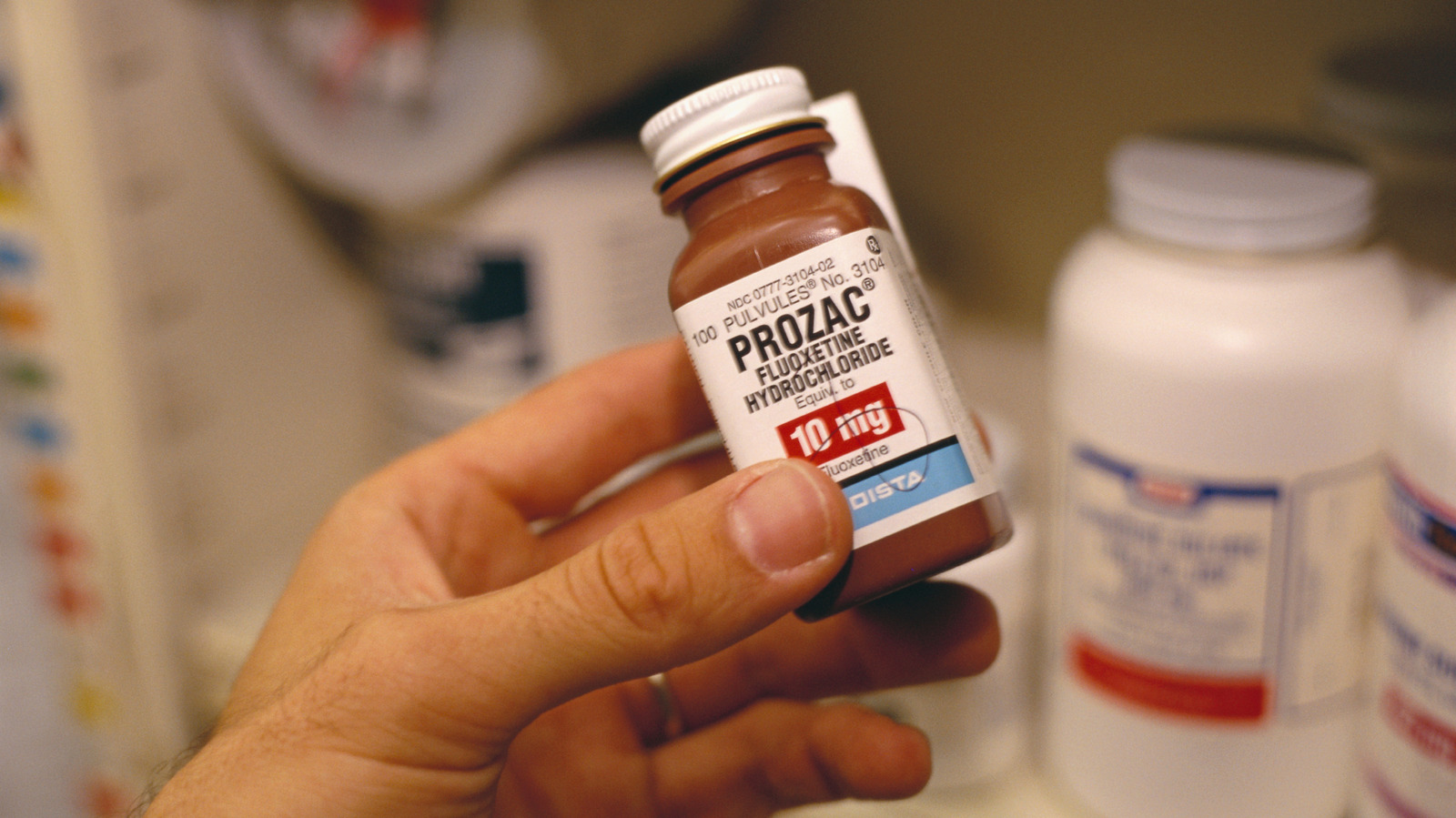
Fluoxetine Hcl
Fluoxetine HCl (Prozac)
¿Qué es Fluoxetine Hcl?
Prozac es un antidepresivo utilizado para tratar a pacientes con depresión, trastorno de pánico y otras condiciones según lo prescrito por su médico. La versión genérica de Prozac es fluoxetina. El precio promedio de Prozac es bastante caro, alrededor de $39 por un suministro de 6 cápsulas de 200 mg. Sin embargo, puedes usar nuestra tarjeta de cupón gratuita Rx.com para ahorrar significativamente en los precios de Prozac en una farmacia participante cerca de ti.Side Effects
- Allergic reaction: Itching or hives, swelling in your face or hands, swelling or tingling in your mouth or throat, chest tightness, trouble breathing
- Anxiety, restlessness, fever, sweating, muscle spasms, nausea, vomiting, diarrhea, seeing or hearing things that are not there
- Changes in behavior, thoughts of hurting yourself or others
Warnings
- Tell your doctor if you are pregnant or breastfeeding, or if you have kidney disease, liver disease, bleeding problems, diabetes, glaucoma, or a history of seizures. Tell your doctor if you have had heart disease, a heart rhythm problem (including QT prolongation), heart attack, heart failure, low blood pressure, or a stroke.
- For some children, teenagers, and young adults, this medicine may increase mental or emotional problems. This may lead to thoughts of suicide and violence. Talk with your doctor right away if you have any thoughts or behavior changes that concern you. Tell your doctor if you or anyone in your family has a history of bipolar disorder or suicide attempts.
- This medicine may cause the following problems:Serotonin syndrome (may be life-threatening when used with certain other medicines)Increased risk of bleeding problemsHeart rhythm problems, including QT prolongationSexual problems
- Do not stop using this medicine suddenly. Your doctor will need to slowly decrease your dose before you stop it completely.
- This medicine may make you dizzy or drowsy. Do not drive or do anything else that could be dangerous until you know how this medicine affects you.
Prescription savings · ·
¿Qué es Fluoxetine Hcl ?
Prozac es un antidepresivo utilizado para tratar a pacientes con depresión, trastorno de pánico y otras condiciones según lo prescrito por su médico. La versión genérica de Prozac es fluoxetina. El precio promedio de Prozac es bastante caro, alrededor de $39 por un suministro de 6 cápsulas de 200 mg. Sin embargo, puedes usar nuestra tarjeta de cupón gratuita Rx.com para ahorrar significativamente en los precios de Prozac en una farmacia participante cerca de ti.Fluoxetine Hcl Cupones y Precios - Rx.com
Fluoxetine HCl (Prozac)
4 ED medications in one dose
Apomorphine, sildenafil, tadalafil & vardenafil · One sublingual dose · Free express shipping
Fluoxetine Hcl prices by dosage
Lowest cash price with a free Rx.com coupon vs. the average retail price.
| Dosis | Cantidad | Retail price | Rx.com price |
|---|---|---|---|
| 10mg · Capsule | 30 | $25.49 | $9.87 |
| 20mg · Capsule | 30 | $26.59 | $9.00 |
| 40mg · Capsule | 30 | $51.36 | $9.00 |
Cash prices near ZIP 77433; updated regularly. Actual pharmacy price may vary.
¿Buscas un cupón para fluoxetina HCl? El clorhidrato de fluoxetina es la versión genérica de bajo costo de Prozac, un antidepresivo ISRS ampliamente recetado. Al ser un genérico, ya es uno de los antidepresivos más asequibles, pero el precio en efectivo aún varía mucho de una farmacia a otra. Rx.com compara precios en tiempo real en más de 60,000 farmacias para que puedas encontrar el precio más bajo de hoy cerca de ti. Ingresa tu código postal arriba para ver el precio de hoy y obtener un cupón de descuento gratuito que puedes usar en el mostrador de la farmacia.
¿Qué es la fluoxetina HCl y cómo funciona?
El clorhidrato de fluoxetina es un antidepresivo inhibidor selectivo de la recaptación de serotonina (ISRS). Es el ingrediente activo de los medicamentos de marca Prozac y Sarafem, y está disponible como genérico de bajo costo. Los ISRS funcionan aumentando la cantidad de serotonina disponible en el cerebro, un mensajero químico que ayuda a regular el estado de ánimo.
La fluoxetina está aprobada por la FDA para tratar el trastorno depresivo mayor, el trastorno obsesivo-compulsivo (TOC), la bulimia nerviosa, el trastorno de pánico (con o sin agorafobia) y el trastorno disfórico premenstrual (TDPM, comercializado como Sarafem). En combinación con olanzapina (vendida como Symbyax y disponible como fluoxetina-olanzapina genérica), está aprobada para la depresión resistente al tratamiento y los episodios depresivos del trastorno bipolar I. Tu médico decide si la fluoxetina es adecuada para tu situación.
¿Cuánto cuesta la fluoxetina sin seguro?
La fluoxetina está disponible como genérico, lo que normalmente la hace mucho menos costosa que el Prozac de marca. Aun así, los precios de los genéricos no son iguales en todas partes. El precio en efectivo que pagas sin seguro puede variar mucho según la farmacia que uses, la concentración y la cantidad, por lo que conviene comparar antes de surtir tu receta.
Rx.com verifica precios en tiempo real en más de 60,000 farmacias y te muestra un cupón de descuento gratuito que, para muchas personas, es mejor que el precio en efectivo estándar de su farmacia. Puedes usar un cupón de Rx.com tengas o no seguro. Ingresa tu código postal arriba para ver el precio de hoy de la fluoxetina en tu área.
Alternativas a la fluoxetina e ISRS relacionados
La fluoxetina es uno de varios ISRS que se usan para tratar la depresión, la ansiedad y afecciones relacionadas. Si tú y tu médico están evaluando opciones, otros ISRS comúnmente recetados incluyen sertralina, escitalopram, citalopram y paroxetina. Todos están disponibles como genéricos.
El equivalente de marca de la fluoxetina es Prozac. Debido a que estos medicamentos difieren en cuánto tiempo permanecen en el cuerpo, sus efectos secundarios y sus interacciones con otros medicamentos, solo tu médico puede decirte cuál es la mejor opción. Puedes comparar precios en tiempo real de cada uno de estos en Rx.com para ver cuál ofrece el mejor valor en tu farmacia.
Seguridad y efectos secundarios de la fluoxetina
La fluoxetina tiene una advertencia en recuadro por un mayor riesgo de pensamientos y comportamientos suicidas en niños, adolescentes y adultos jóvenes menores de 24 años, especialmente al inicio del tratamiento o después de un cambio de dosis. Cualquier persona que comience a tomar fluoxetina debe ser vigilada de cerca por si empeora su estado de ánimo o presenta cambios inusuales en el comportamiento. Los efectos secundarios comunes incluyen disfunción sexual, dificultad para dormir, disminución del apetito, náuseas y dolor de cabeza. Esta es información general, no consejo médico, así que habla con tu proveedor de salud sobre qué esperar.
La fluoxetina no debe usarse con un IMAO ni dentro de los 14 días de haberlo tomado, y combinarla con otros medicamentos que aumentan la serotonina (como triptanos u otros antidepresivos) puede aumentar el riesgo de síndrome serotoninérgico. También puede aumentar el riesgo de sangrado anormal cuando se toma con AINE, aspirina o anticoagulantes, y se ha relacionado con niveles bajos de sodio (hiponatremia), prolongación del intervalo QT, glaucoma de ángulo cerrado, activación de manía y convulsiones. Su larga vida media significa que permanece en el cuerpo y puede interactuar con otros medicamentos durante semanas. No dejes de tomar la fluoxetina de forma repentina; tu médico reducirá la dosis gradualmente. Comparte siempre tu lista completa de medicamentos con tu médico y farmacéutico.
La información sobre Fluoxetine Hcl fue redactada y revisada con base en fuentes médicas autorizadas de EE. UU. (MedlinePlus, de la Biblioteca Nacional de Medicina de EE. UU.; DailyMed; y la información de prescripción de la FDA) y verificada para asegurar su precisión. Se ofrece con fines educativos y no sustituye el consejo médico profesional.
Consulte la etiqueta oficial: Fluoxetine Hcl en DailyMed (FDA)
Revisado con base en el etiquetado de la FDA · Última revisión: julio de 2026


Medicamentos Relacionados
Browse more medications: starting with F · full A-Z directory · by condition · common drugs
Medical disclaimer: This information is provided for general educational purposes only and is not medical advice. It is not a substitute for professional diagnosis or treatment. Always consult a licensed physician, pharmacist, or other qualified healthcare provider before starting, stopping, or changing any medication or treatment. Never disregard professional medical advice or delay seeking it because of something you read here. If you think you may have a medical emergency, call your doctor or 911 immediately.


