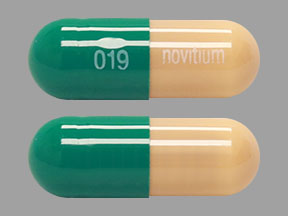
Prazosin Hcl
Prazosin
What is Prazosin Hcl?
Prazosin is a prescription medication primarily used to treat high blood pressure, but it is also commonly prescribed for conditions such as nightmares associated with post-traumatic stress disorder (PTSD) and certain urinary symptoms caused by an enlarged prostate. It works by relaxing blood vessels, allowing blood to flow more easily throughout the body.
Side Effects
- Allergic reaction: Itching or hives, swelling in your face or hands, swelling or tingling in your mouth or throat, chest tightness, trouble breathing
- Fast, pounding, or uneven heartbeat
- Painful erection of your penis for more than 4 hours
Warnings
- Tell your doctor if you are pregnant or breastfeeding, or if you have kidney disease or cataracts.
- Drink plenty of fluids if you exercise or sweat more than usual while you are using this medicine.
- This medicine may cause the following problems:Prolonged erection of the penisSerious eye problem called Intraoperative Floppy Iris Syndrome (IFIS) in patients having an eye procedure (including cataract surgery)
- This medicine could lower your blood pressure too much, especially when you first use it or if you are dehydrated. This can make you dizzy or lightheaded. Do not drive or do anything else that could be dangerous until you know how this medicine affects you. Stand or sit up slowly if you feel lightheaded or dizzy. These symptoms may be worse if you drink alcohol.
- Tell any doctor or dentist who treats you that you are using this medicine. This medicine may affect certain medical test results.
Prescription savings · · · ·
What is Prazosin Hcl ?
Prazosin is a prescription medication primarily used to treat high blood pressure, but it is also commonly prescribed for conditions such as nightmares associated with post-traumatic stress disorder (PTSD) and certain urinary symptoms caused by an enlarged prostate. It works by relaxing blood vessels, allowing blood to flow more easily throughout the body.
- Allergic reaction: Itching or hives, swelling in your face or hands, swelling or tingling in your mouth or throat, chest tightness, trouble breathing
- Fast, pounding, or uneven heartbeat
- Painful erection of your penis for more than 4 hours
- Lightheadedness, dizziness, fainting
- Tell your doctor if you are pregnant or breastfeeding, or if you have kidney disease or cataracts.
- Drink plenty of fluids if you exercise or sweat more than usual while you are using this medicine.
- This medicine may cause the following problems:Prolonged erection of the penisSerious eye problem called Intraoperative Floppy Iris Syndrome (IFIS) in patients having an eye procedure (including cataract surgery)
- This medicine could lower your blood pressure too much, especially when you first use it or if you are dehydrated. This can make you dizzy or lightheaded. Do not drive or do anything else that could be dangerous until you know how this medicine affects you. Stand or sit up slowly if you feel lightheaded or dizzy. These symptoms may be worse if you drink alcohol.
- Tell any doctor or dentist who treats you that you are using this medicine. This medicine may affect certain medical test results.
- Your doctor will do lab tests at regular visits to check on the effects of this medicine. Keep all appointments.
- Keep all medicine out of the reach of children. Never share your medicine with anyone.
Prazosin Hcl Coupons & Prices
Prazosin

4 ED medications in one dose
Apomorphine, sildenafil, tadalafil & vardenafil · One sublingual dose · Free express shipping
Prazosin Hcl prices by dosage
Lowest cash price with a free Rx.com coupon vs. the average retail price.
| Dosage | Quantity | Retail price | Rx.com price |
|---|---|---|---|
| 1mg · Capsule | 30 | $14.99 | $12.99 |
| 2mg · Capsule | 30 | $13.28 | $12.02 |
| 5mg · Capsule | 30 | $27.29 | $16.87 |
Cash prices near ZIP 77433; updated regularly. Actual pharmacy price may vary.
A prazosin HCl coupon from Rx.com can help you pay less for your prescription when you are paying cash, whether or not you have insurance. Prazosin hydrochloride is the generic form of Minipress, an alpha-1 blocker approved to treat high blood pressure. Cash prices for the same prescription can vary a lot from one pharmacy to the next, even between stores a few blocks apart, so it pays to compare before you fill. Enter your ZIP code above to see today's price for prazosin at pharmacies near you. Rx.com compares prices at more than 60,000 pharmacies nationwide, and the coupon is free to use.
What is prazosin and how does it work?
Prazosin hydrochloride is an alpha-1 adrenergic blocker in the quinazoline class. It is FDA-approved for one use: the treatment of hypertension (high blood pressure), to lower blood pressure. Lowering blood pressure reduces the risk of fatal and nonfatal cardiovascular events, primarily strokes and heart attacks. It can be used on its own or alongside other blood-pressure medicines. It is the generic equivalent of the brand Minipress.
Prazosin works by blocking postsynaptic alpha-1 adrenoceptors. That relaxes the muscle in the walls of your blood vessels, widening them and lowering the resistance your heart has to pump against. Unlike some other blood-pressure medicines, it usually does this without causing reflex tachycardia (a fast heartbeat in response to the drop in pressure). Doctors also prescribe prazosin off-label for other conditions, including nightmares and sleep disruption related to PTSD. Off-label means the FDA has not reviewed and approved prazosin for that purpose. Only your prescriber can decide whether it is right for you.
Prazosin cost and how the coupon works
Prazosin is available as a generic. Whether your pharmacy can substitute a generic for a brand prescription depends on your state's substitution laws and the product's therapeutic-equivalence rating, so ask your pharmacist how it works where you live. And being generic does not mean the price is the same everywhere. Cash prices for prazosin swing widely by pharmacy and by ZIP code, because each chain sets its own cash price. That is exactly why comparing matters, and why a coupon can make a real difference at one pharmacy and less of one at another.
To see what you would pay: enter your ZIP code above, pick your strength and quantity, and Rx.com will show today's prices across more than 60,000 U.S. pharmacies. Show the coupon at the counter. It is free, there is no membership required, and you can use it whether you are uninsured or simply paying cash because it beats your copay. Note that a discount coupon and insurance cannot be combined on the same fill, so ask the pharmacist to run whichever is lower. There is no manufacturer savings card for generic prazosin.
Prazosin alternatives and related medicines
Prazosin belongs to a family of alpha-1 blockers, and several relatives are commonly prescribed. Which one is right depends on the condition being treated, so this is a conversation for your prescriber, not a swap you should make on your own.
- Minipress — the brand name for prazosin hydrochloride.
- Doxazosin mesylate — a longer-acting alpha-1 blocker.
- Terazosin HCl — another alpha-1 blocker in the same quinazoline family.
- Tamsulosin HCl — an alpha blocker used for prostate symptoms.
- Clonidine HCl — a different class of blood-pressure medicine.
If your prescriber does switch you, check the price of the new drug here too. Costs between these medicines are not interchangeable, and the cheapest option at your pharmacy may not be the one you expect.
Prazosin safety and side effects
Prazosin does not carry a boxed warning. Its signature risk is the "first-dose effect": a sharp drop in blood pressure on standing (orthostatic hypotension) that can cause fainting with sudden loss of consciousness. Fainting episodes have usually occurred within 30 to 90 minutes of the first dose, and the same risk applies after a dose increase or when another blood-pressure medicine is added. This is why therapy starts at a low dose, often at bedtime, and is increased slowly. The manufacturer's patient information advises avoiding driving or performing hazardous tasks for the first 24 hours after you take prazosin or when your dose is increased.
Other things to know: dizziness, drowsiness, and palpitations are common. Prolonged erections and priapism are rare, but an erection lasting more than 4 hours needs immediate medical care, because untreated priapism can cause permanent damage. Intraoperative floppy iris syndrome has been observed during cataract surgery in some patients treated with alpha-1 blockers, the class prazosin belongs to, so tell your eye surgeon you take it before any procedure. The label notes there does not appear to be a benefit to stopping alpha-1 blocker therapy before cataract surgery, so do not stop on your own. Prazosin can add to the blood-pressure-lowering effect of PDE5 inhibitors such as sildenafil and tadalafil, other alpha blockers, and other antihypertensives. Use caution with alcohol, hot weather, and anything that leaves you dehydrated. This is a summary, not medical advice, and not a complete list of warnings. Read the leaflet from your pharmacy and talk with your doctor or pharmacist about your full medicine list.
This Prazosin Hcl information was written and reviewed against authoritative U.S. medical sources — MedlinePlus (U.S. National Library of Medicine), DailyMed, and FDA prescribing information — and checked for accuracy. It is provided for education and is not a substitute for professional medical advice.
Verify the official label: Prazosin Hcl on DailyMed (FDA)
Reviewed against FDA labeling · Last reviewed July 2026
Related Drugs
Browse more medications: starting with P · full A-Z directory · by condition · common drugs
Medical disclaimer: This information is provided for general educational purposes only and is not medical advice. It is not a substitute for professional diagnosis or treatment. Always consult a licensed physician, pharmacist, or other qualified healthcare provider before starting, stopping, or changing any medication or treatment. Never disregard professional medical advice or delay seeking it because of something you read here. If you think you may have a medical emergency, call your doctor or 911 immediately.


